my story
At 112 pounds, the doctors told me to prepare my will. Miraculously, I'm still here, turning wounds into wildflowers.

I am compost.
Layer upon layer of compost.
I was four years old. My father would make me lie on my back, raise my shirt, and whip my stomach with his belt. Over and over until I couldn’t breathe. The gastric troubles I carry to this day are how my body still remembers. That was the first layer.
I ran away many times. I slept in abandoned buildings in the inlet section of Atlantic City. My brother — my best friend and bunkmate for the first 12 years of my life — committed suicide. The family was not shelter. The family was torture.
That was the second layer, pressed down on the first.
But there was a refuge: the synagogue. I was a Levite, honored with special Torah readings, in services conducted mostly in Hebrew. When I heard the stories of the prophets — Jeremiah, Elijah, Isaiah — I wept. They had been broken too. I was not alone in my pain, I was part of a long tradition. That was the third layer.
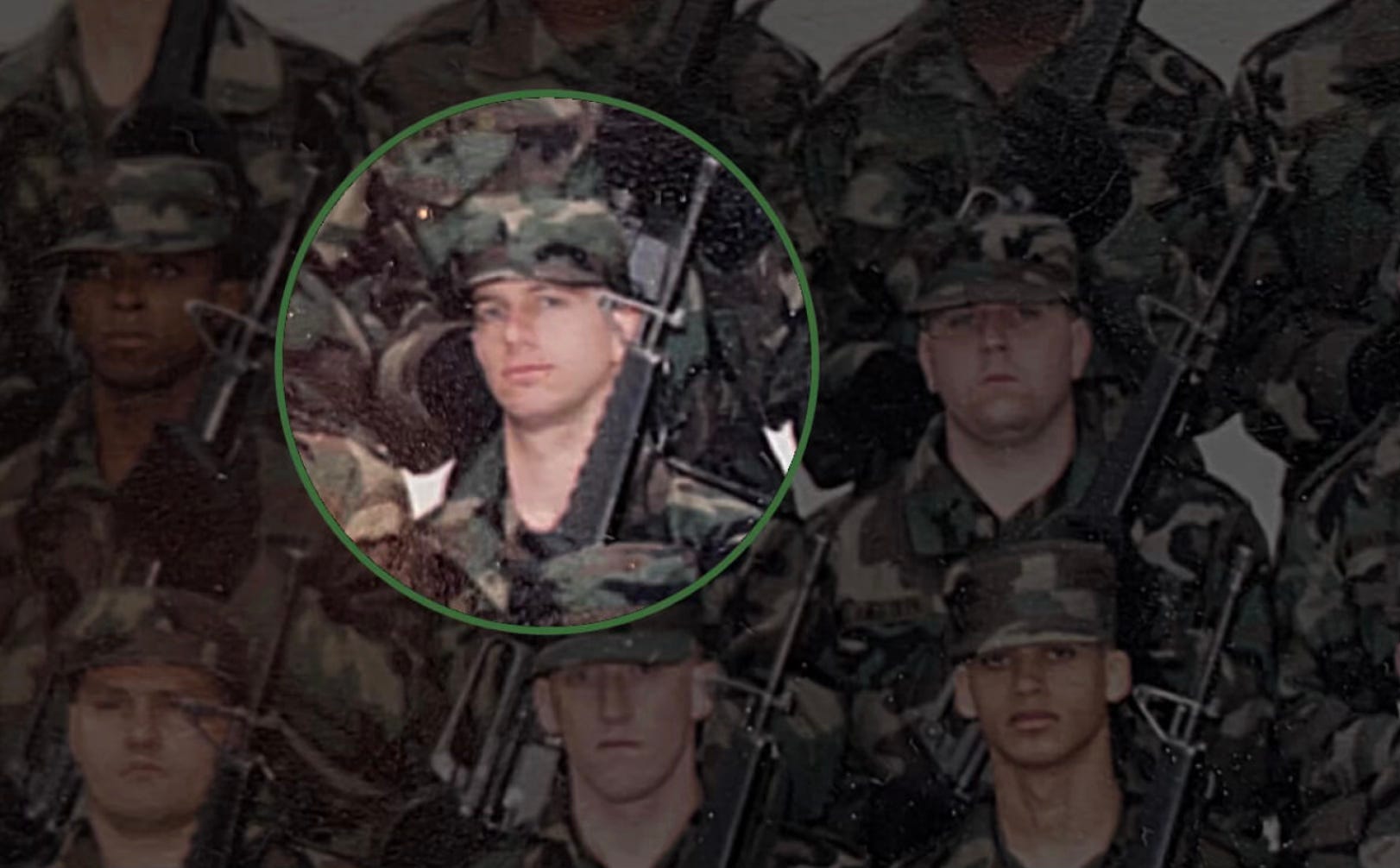
Homeless, with no money for university, I served as a private in the Army during the Gulf War, in the 11th ACR under the good command of A.J. Bacevich. Lowest rank. Most expendable. I learned what it means to submit to authority, to serve a community larger than myself. That was the fourth layer.
A small-town boy with a love of nature, I swore I’d never live or work in a big city. But then I met a beautiful woman, a public school teacher in the South Bronx. So I moved to New York, took up graphic design, and was lucky enough to be mentored by Milton Glaser and to brainstorm early versions of the Garden with George Lois.
That was the fifth layer. And it was golden. I had great friends and was rubbing shoulders with giants. I was friends with protégés of Martin Buber, Erich Fromm, and Rheinhold Niehbur. I was young, and in love, and beaming with hope. It was time to plant.
Then my body failed. Toxic mold. Lyme disease. Immune system collapse. I dropped to 112 pounds. I remember the whites in the doctors’ eyes when they looked at me sitting in a wheelchair, looked sadly at my test results, and told me to prepare my will.
As a last ditch effort, they gave me over four hundred infusions, including intravenous immunoglobulins, which four times the insurance companies refused to pay for. I camped out in their offices, hours each day, and created wellgorithms during the infusions.
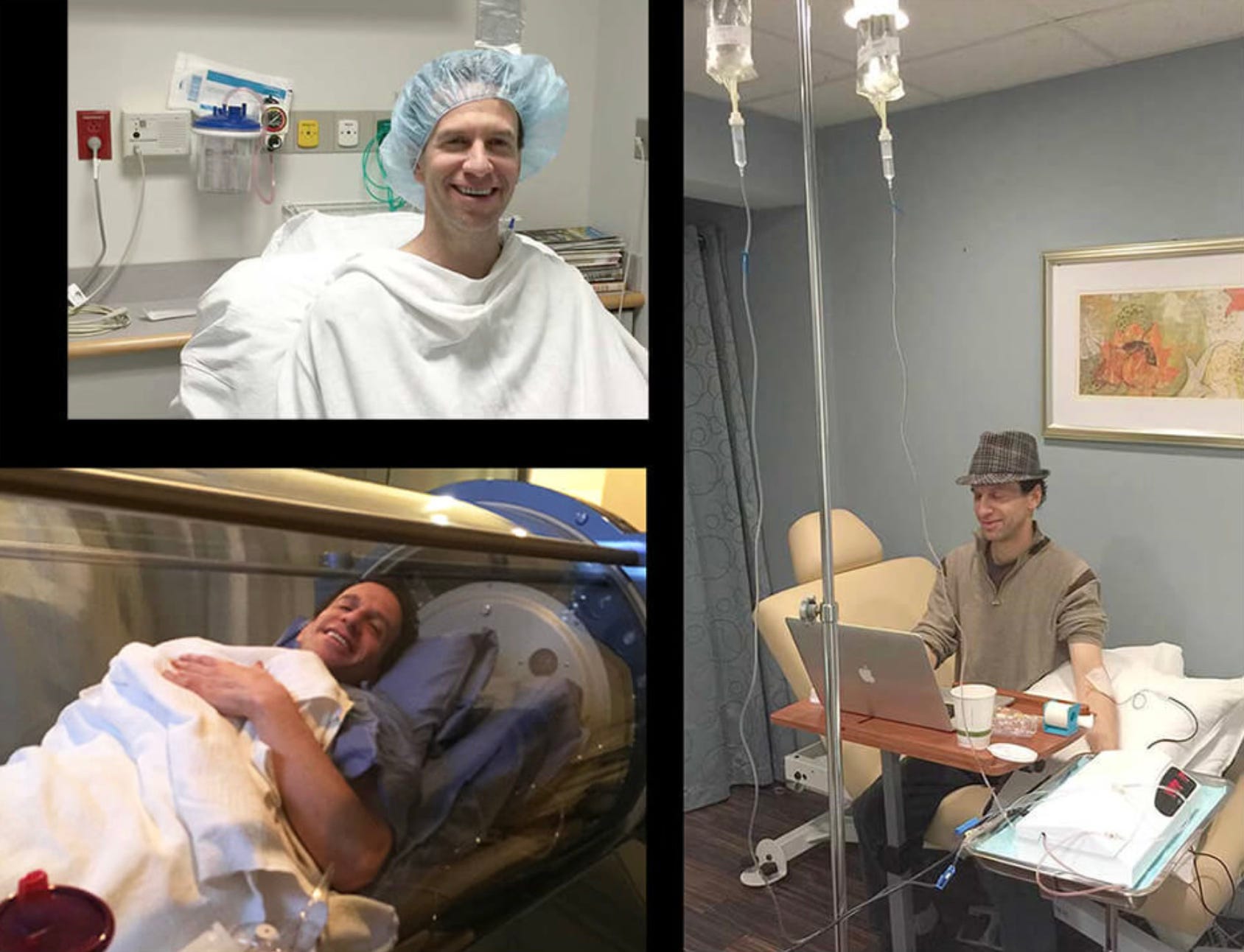
Somehow, slowly, over six years, I healed enough to walk again. That was the sixth layer.
Grateful just to be alive, I brought the Garden to everyone I could find — thought leaders, podcasters, academics, investors, anyone who would listen. Day after day, year after year, in kindness and humility, I reached out. What I received was scorn. Derision. Dismissals. “That language is crazy,” they said. “Nobody is interested in a new language.”
This was the seventh layer.
Something happens to you when you are rejected for so long. Like a wet sponge, it squeezes your ego dry. It teaches you the art of dying to yourself. And if you are in a state of radical openness, Grace comes knocking. For me, it was a moment when, forbidden from mentioning Yeshua at the family table, I took up the Gospels and began to read.
I read and read ... and wept and wept ... because here at last were my people. One man heard of my story and responded with love and kindness and became my life’s mentor — Charlie “Tremendous” Jones.
One of America’s great humorists and motivational speakers, Charlie took me under his wing. He sent me first to Word of Life for intense Bible study, then loaded up my library with devotionals from Spurgeon, Chambers, Fenelon, and many others.
I joined a church and learned to pray in community. These years were the most heart-warming of my life. But then came the political polarizations, covid, and societal fractures. I was an active member of a Methodist Church during the years when they split, and it broke my heart. Christians fighting Christians. It just breaks me.
That was the eighth layer. The ninth layer, putting it all together, is the words.
Looking back, I see now what I couldn’t name then: I had lost my verbal agency. People tried to help me — counselors, friends, family, real love among them — but almost everyone reached for a label. They pigeonholed my suffering in the language of the DSM, and even sent me to a psychiatrist because for the first two years they couldn’t find the illness in my blood. I was sick, weak, in constant pain, in a wheelchair, with no strength left to resist.
During the infusions, I had an epiphany: if we are going to heal, we will have partake in the naming. The authority to name what stirs inside a soul was never meant to live only in the institution, the instrument, the pedigree — it belongs also to the ones who suffer. The oldest human work was to name the creatures. The wild sparks inside us are creatures too, and most of them have never been named.
Every day the machine takes a little more of our freedom — thinking, naming and deciding for us. Urgently, urgently: we need technologies of agency. And agency starts with the words you choose. That’s what I set out to build: not a tool that promises you the kingdom, but one that gives you the keys.
I’m now in my 31st year tending the Garden. I’m still planting seeds, composting weeds, and sprouting with whatever strength I have left. My beloved wife, who just retired after teaching underserved children for 33 years, stood by me all these years. Each day, I give thanks for having someone to love and something to hope for.
Grace looks at our sufferings and sees soil. There’s beauty in the ashes. May you find the beauty.
wounds into wildflowers:
a song in blues