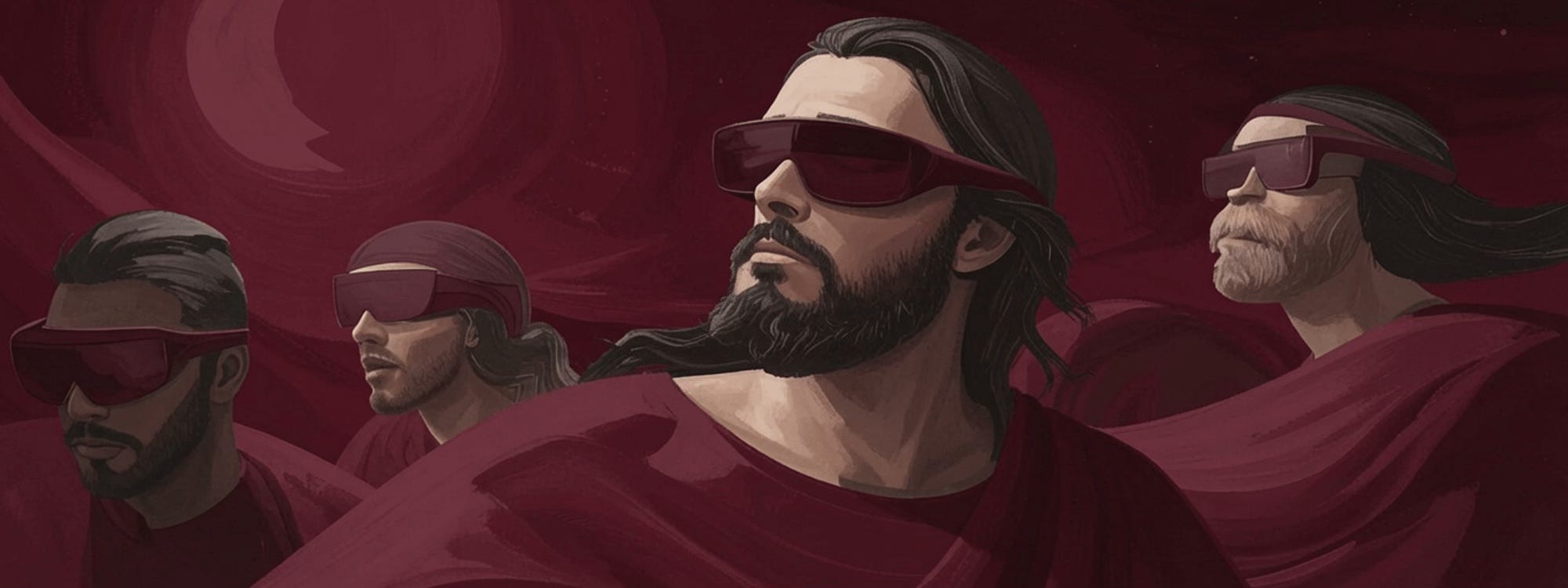
the Garden's 31-year journey
I started naming the inner creatures in 1995 and discovered that words have a strange power — to arrive before the world knows it needs them.

The Words came first.
For 31 years, I have made words for what each new technology was doing to our souls: first the internet, then social media, then the smartphone, and now artificial intelligence.
Why these words came to me, of all people, I still cannot say. Milton Glaser once told me that the arrival of ideas is a mystery. This page is a record of that mystery.
1995 · Beginning of the Word Wars
I first confronted the raw power of words when the internet was just moving into public awareness. One of the first words I coined in a national journal was “porngeist.” I predicted that the Internet would have a lot of porn and that there would be a counterfeit Pentecost. You can read a retrospective here.
1999 · Digital Sabbaths
I was practicing Orthodox Judaism when the Internet came online. It seemed obvious that we would need digital sabbaths and I wrote about them at length.
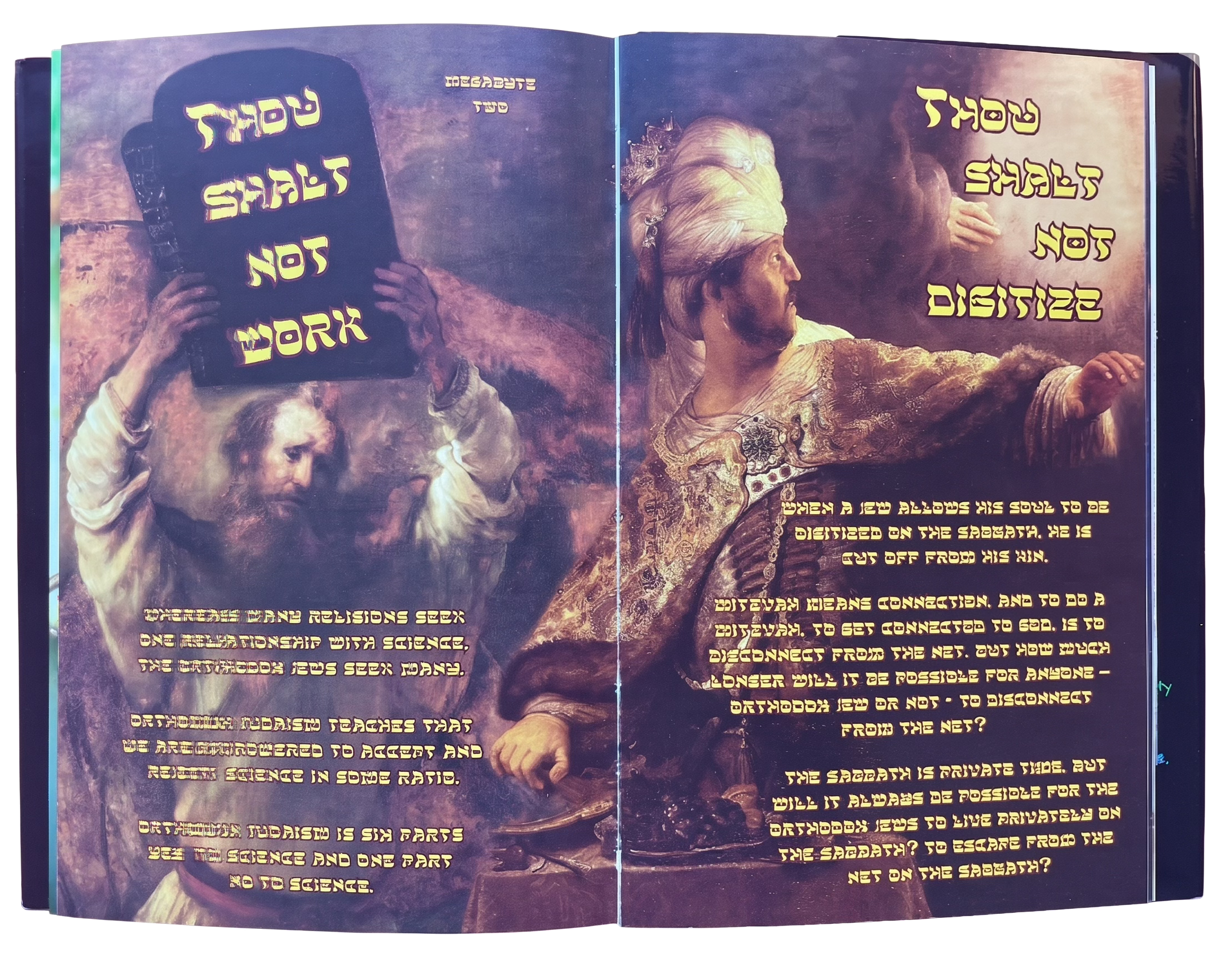
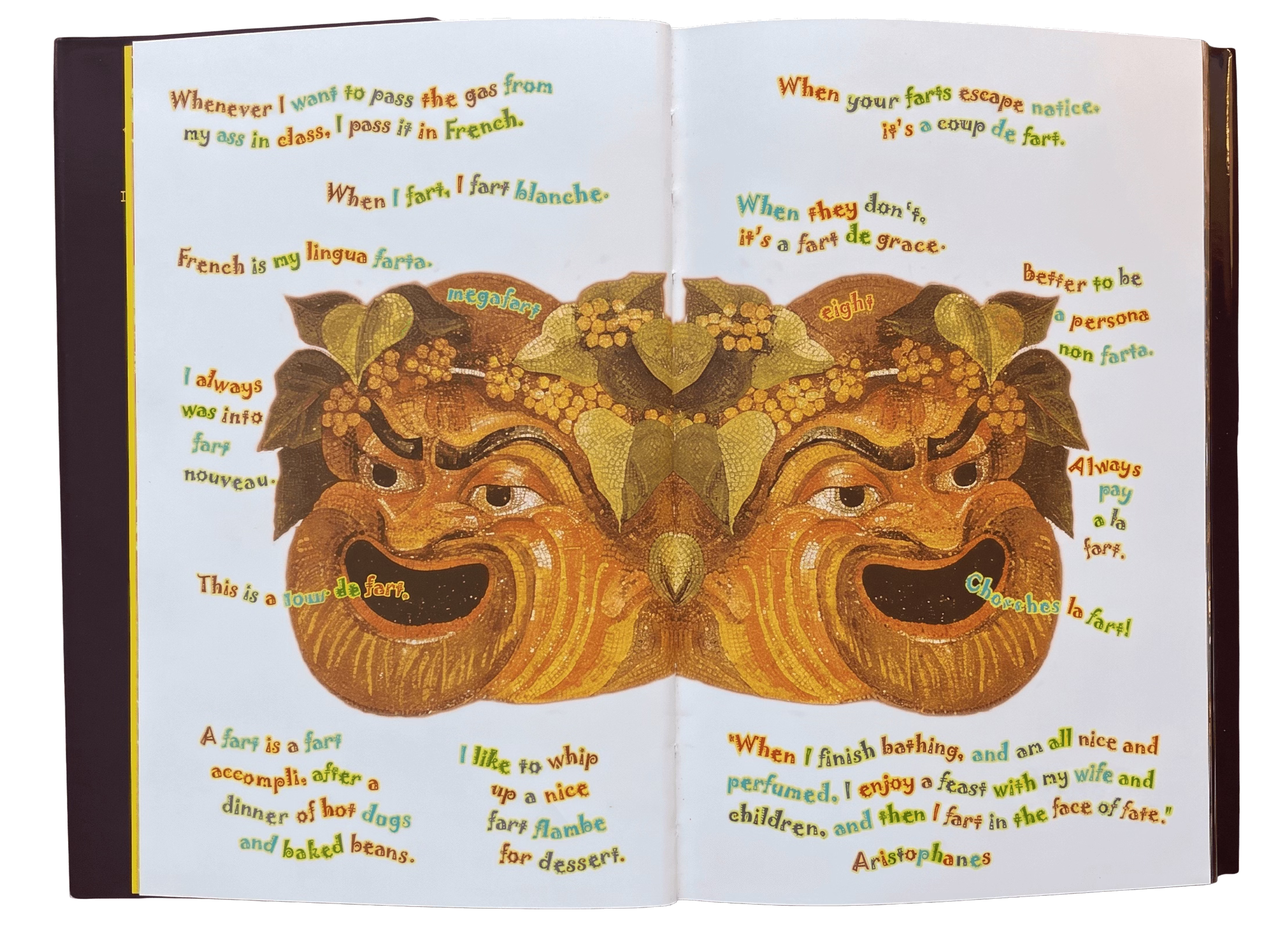
The same printed edition contains a number of coinages — Complexity Complex, Time Deficit Disorder, and the Hasteland. Then came the foolery, set down for the pure animal joy of it — fart de grâce, fart accompli, tour de fart — nearly all of which are still active in the Garden today, 30 years later:
2003–2004 · Goodbye Gutenberg
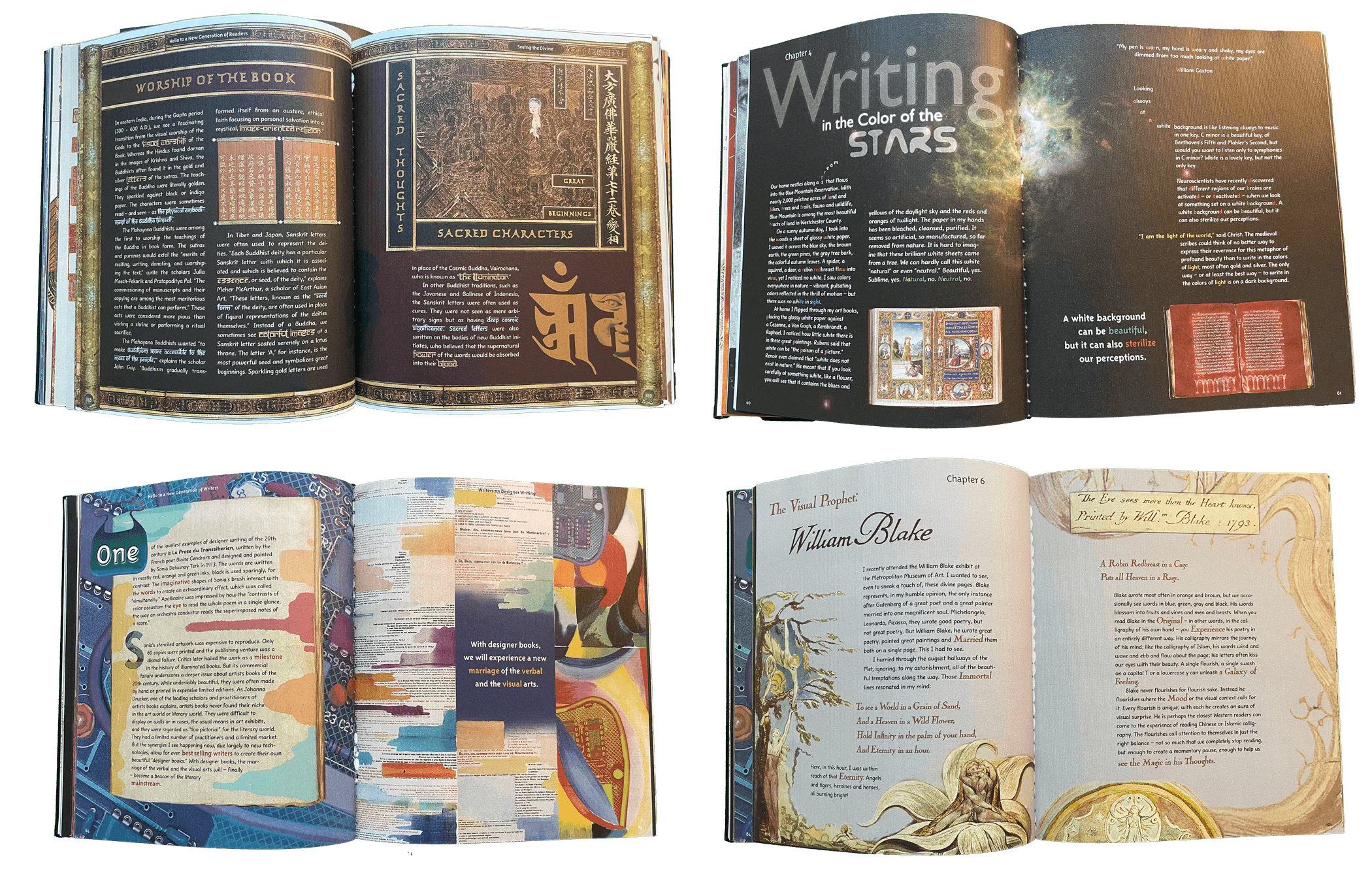
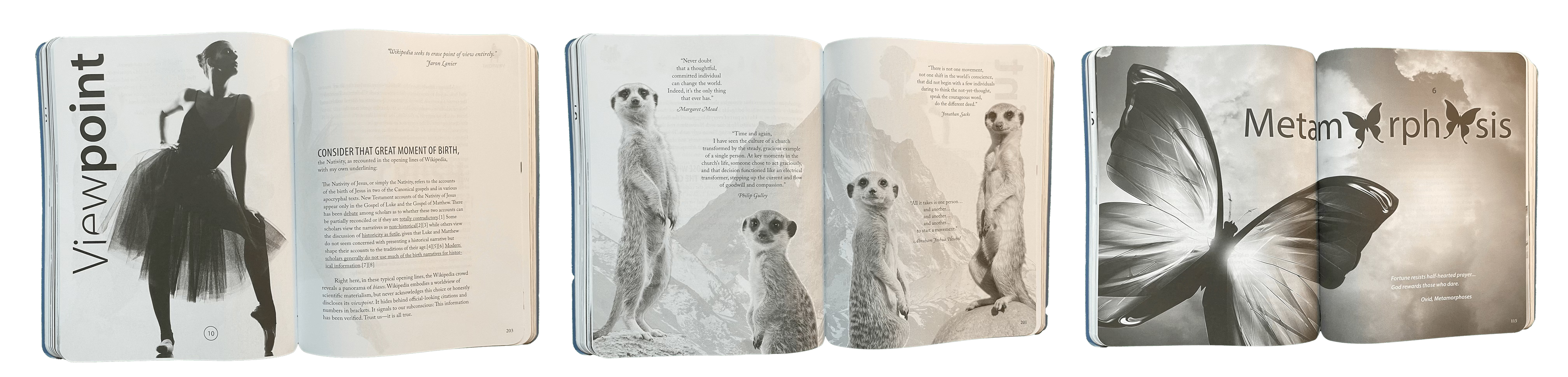
In 2004, my wife and I published Goodbye Gutenberg, a 2,000-year journey through the history of illuminated books. Its color theme — and now this Substack — was inspired by the Codex Brixianus. The medieval scribes wrote Scripture in gold on OXBLOOD-colored parchment. It symbolizes sacrifice, blood, and witness; gold brings the light of Revelation.
The designs speak before the words are read.
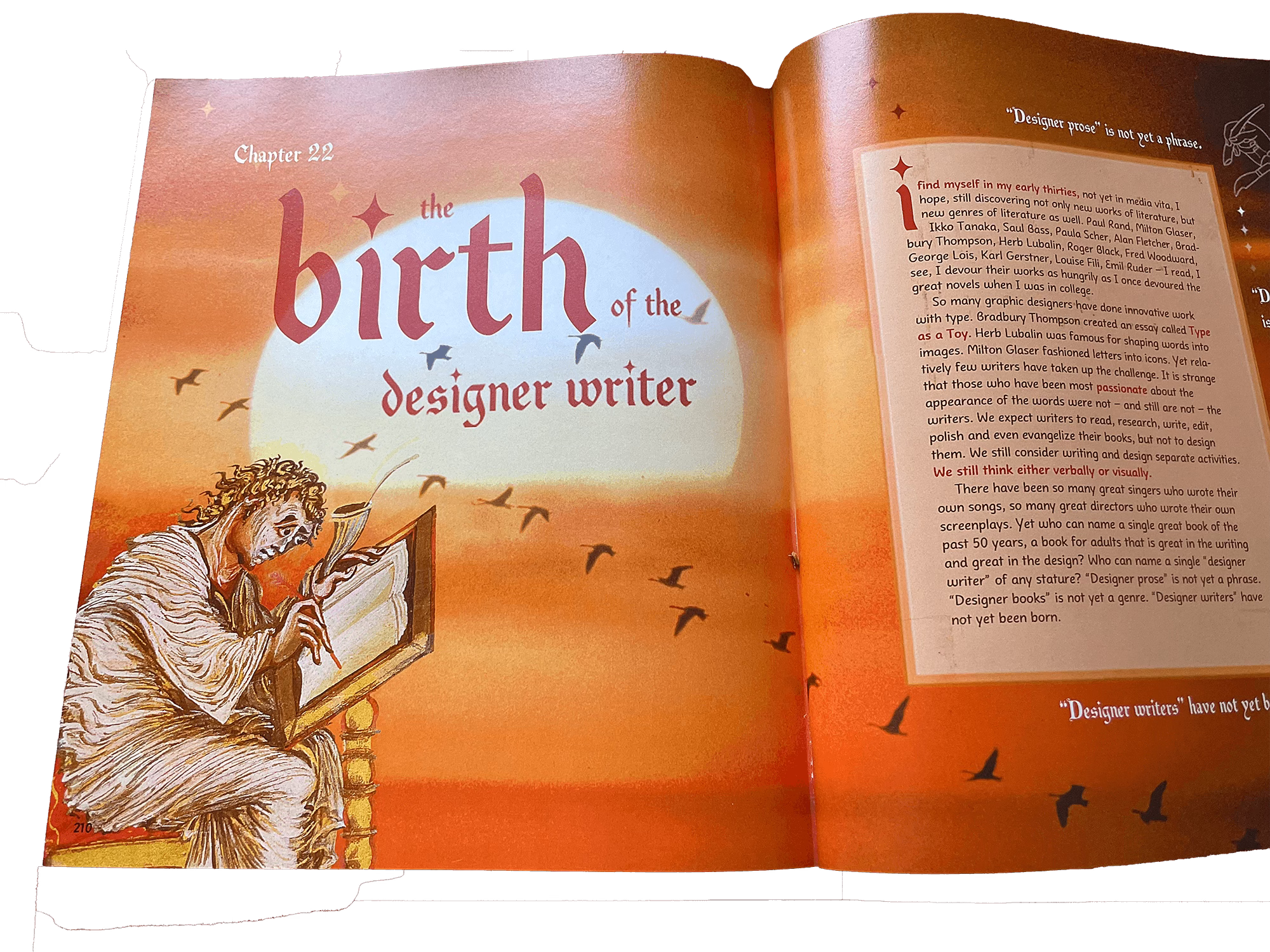
Goodbye Gutenberg won awards from Editor’s Choice, Bookpleasures, and IPPY. Milton Glaser called it “a visual history of the universe.”
2005 · The Illuminated Word
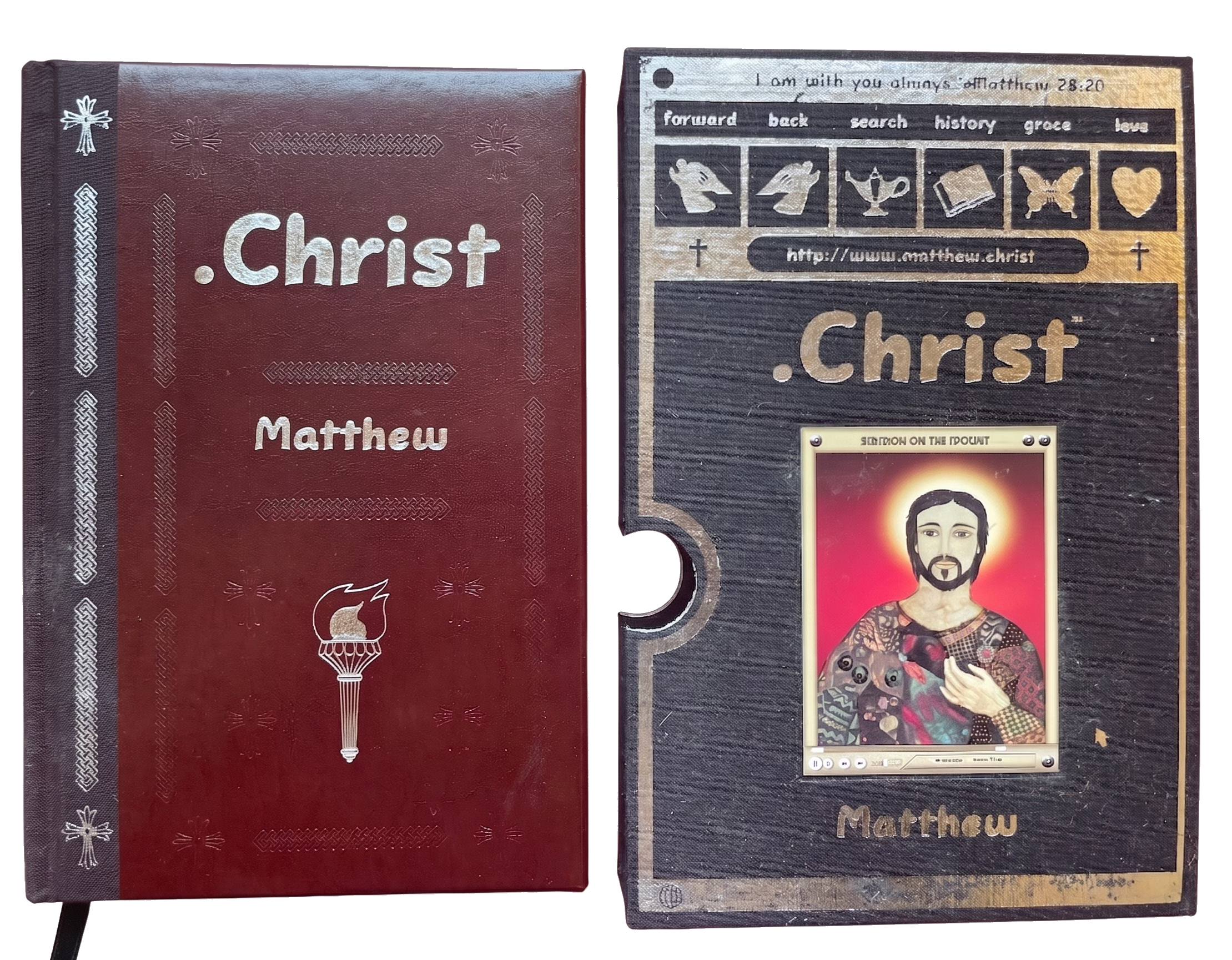
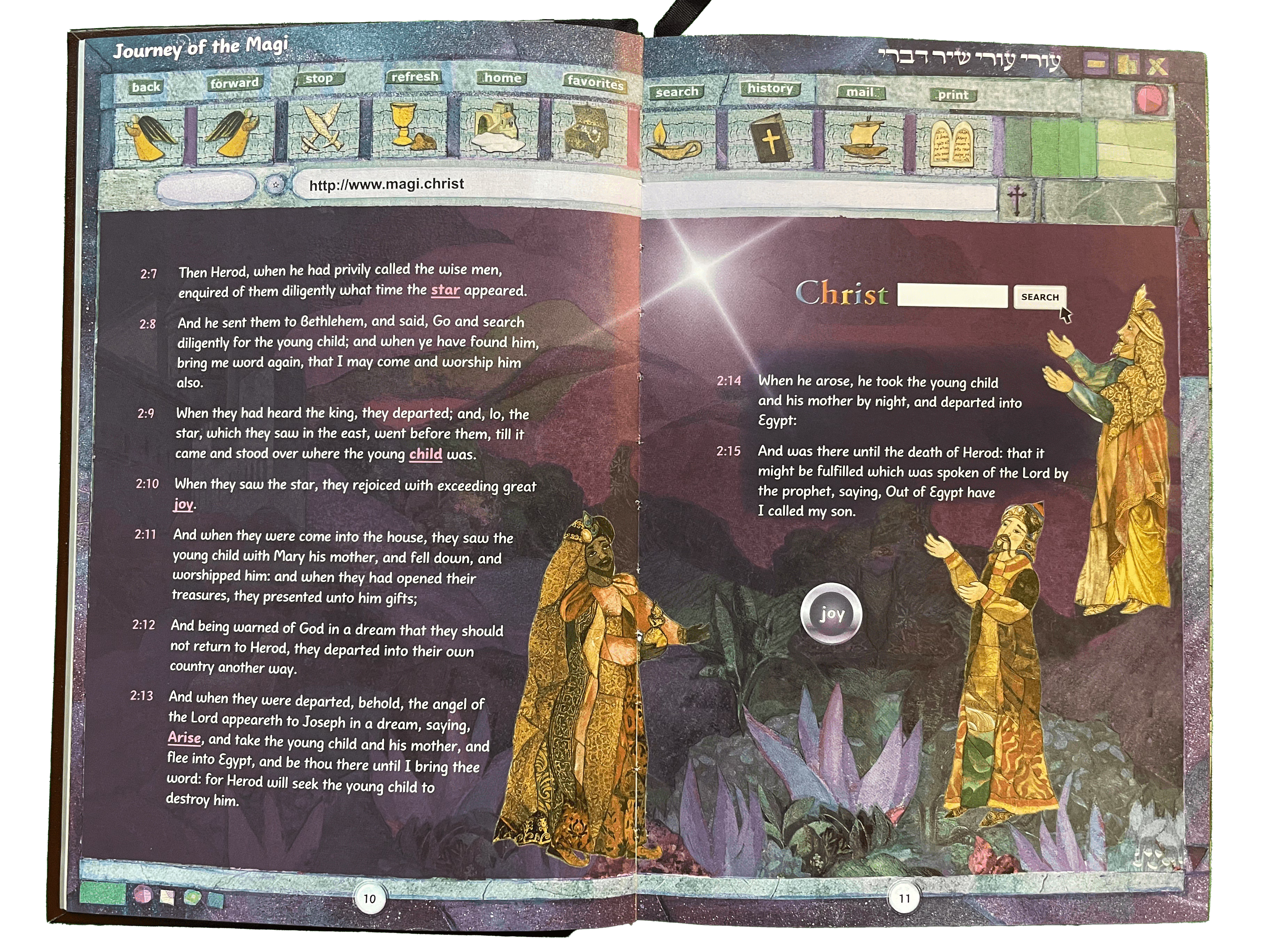
In 2005, long before the new wave of illuminated Bibles, Charlie “Tremendous” Jones published .Christ: the Gospel of Matthew. An imaginary browser showed the Sermon on the Mount playing in a hand-painted media player.
My lifelong dream — shown here in print but still unrealized on the web as of 2026 — is to see grace and peace buttons alongside all the others. Someday, אי״ה
Kind words, and sometimes a meal, came from Zig Ziglar, Paul Meyer, Russell Moore, Mark Sanborn, Mark Victor Hanson, Bob Proctor, and Bill Moyers.
2011 · Thou Art Social
In 2011, the world was celebrating the like button, the endless scroll and the social media glow. In Thou Art Social, I explored its darker side: deal zombies, succumbing birds, and sentimental saps.
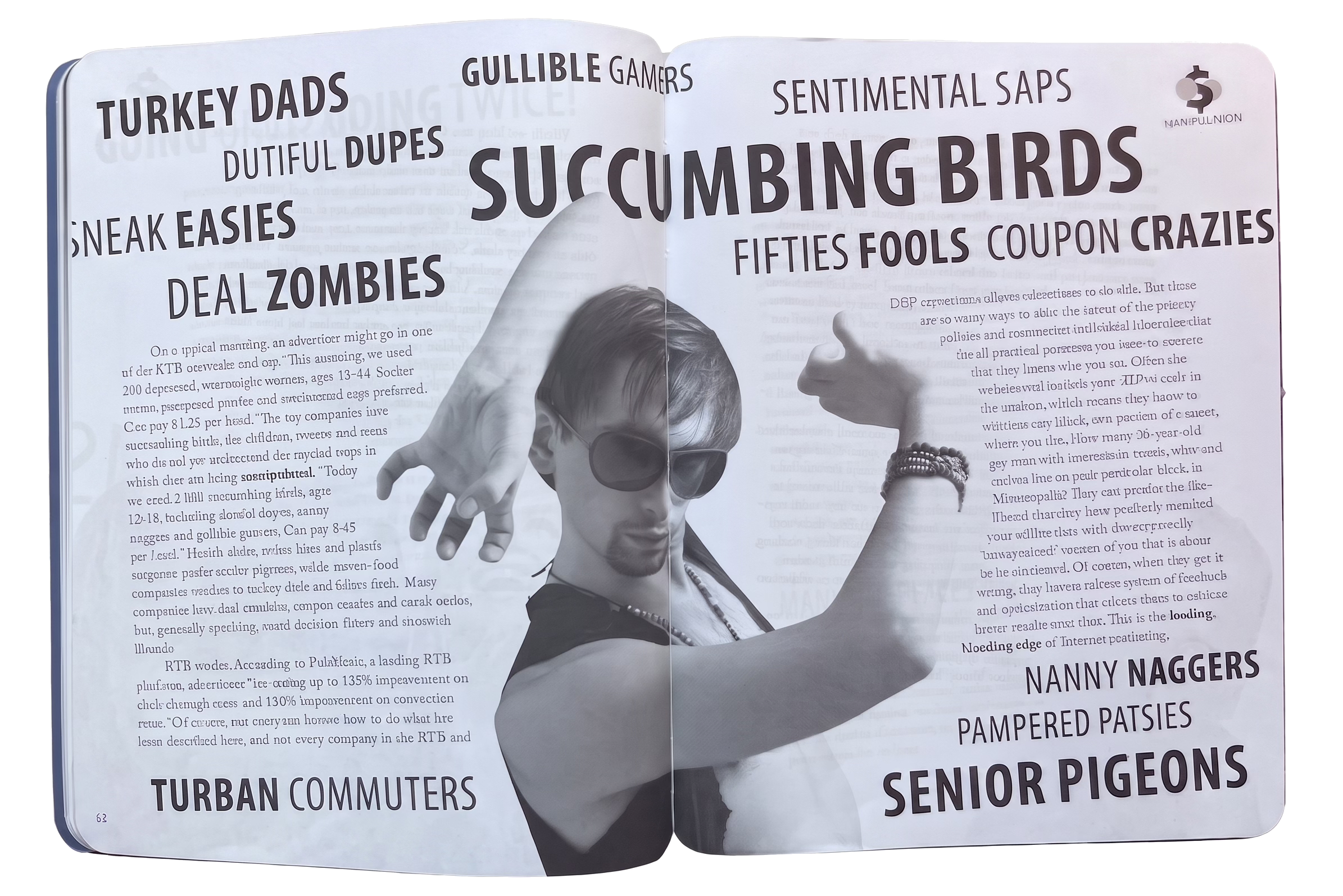
At the time, these warnings sounded almost heretical. One of the few kind acknowledgments came from Jaron Lanier, and in those difficult years, when I was weeping in a wheelchair, his note meant the world to me.
2015 · Wellgorithms
I finally found a name for the words, and a new genre was born: wellgorithms. A way of giving each of your inner creatures a name — and, eventually, a face.
Once your inner creatures have names, you can begin to cultivate a relationship with them. And then a commons becomes possible — a place where we can share what we are naming, learn from our tending, and cultivate our interiors together.
By 2020, I had minted more than 5,000 wellgorithms, which we could finally plant, prune, compost and fertilize in the Garden.
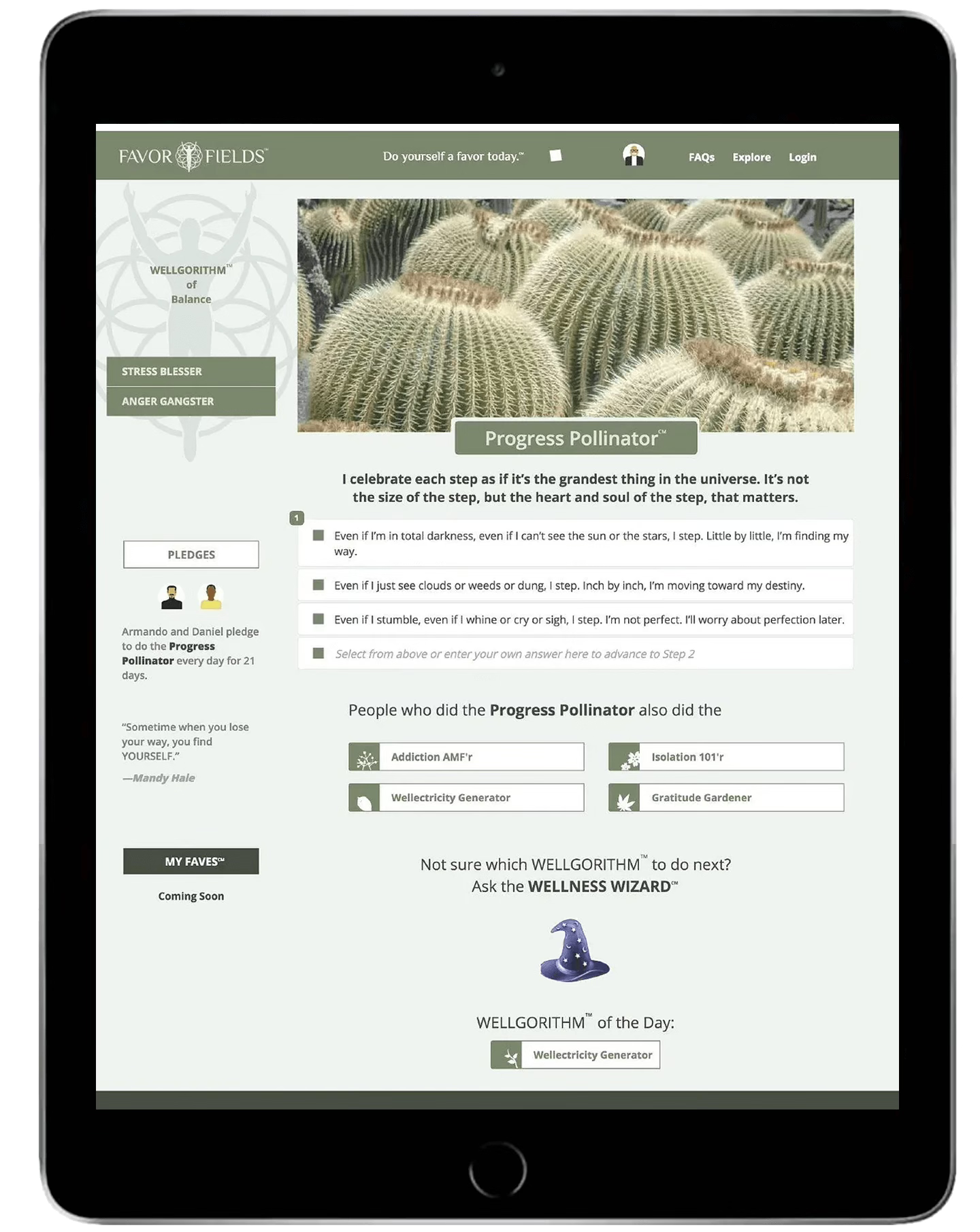
Some of the early wellgorithm titles shown here, and still in the Garden today, include Gratitude Gardener, Wellectricity Generator, Anger Gangster, Progress Pollinator, and Stress Blesser.
2021 • the (inner)Verse
In 2021, for the first time, we could “step inside” our metaphors. It was a watershed moment that our culture has not yet fully appreciated. “Metaphors we live by” is now “metaphors we enter.”
Teresa of Ávila and the contemplatives had always known that the soul has rooms, dimensions, and depths. Virtual reality gives us a new way to enter them. But the moment we render an interior, we have to decide what an interior is. Every choice reveals what we believe a human being is. And this is the battleground.
2023 • the Silvanus protocol
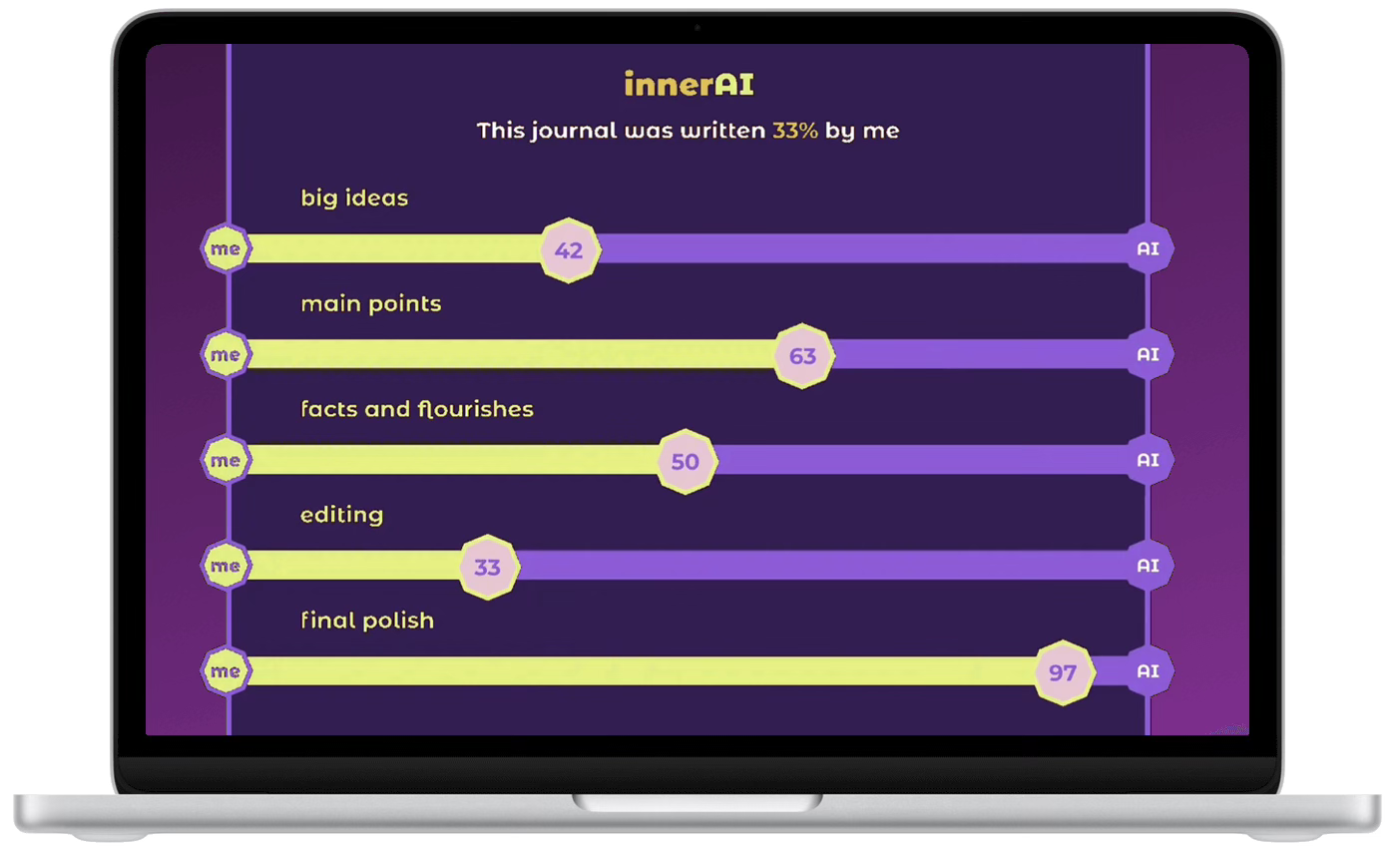
In 2023, GPT-4 arrived, and overnight the machine could write a clean paragraph. I went looking for an honest Christian way to use it.
Rock gave me the answer. At the end of his first letter, he wrote: διὰ Σιλουανοῦ—“through Silvanus I have written.” He named the faithful brother who helped him.
That inspired the Silvanus protocol. AI can help with grammar, structure, fluency, and flow. It cannot supply the body, the wound, the love, or the life behind the words.
2025 • Wellgorithm faces
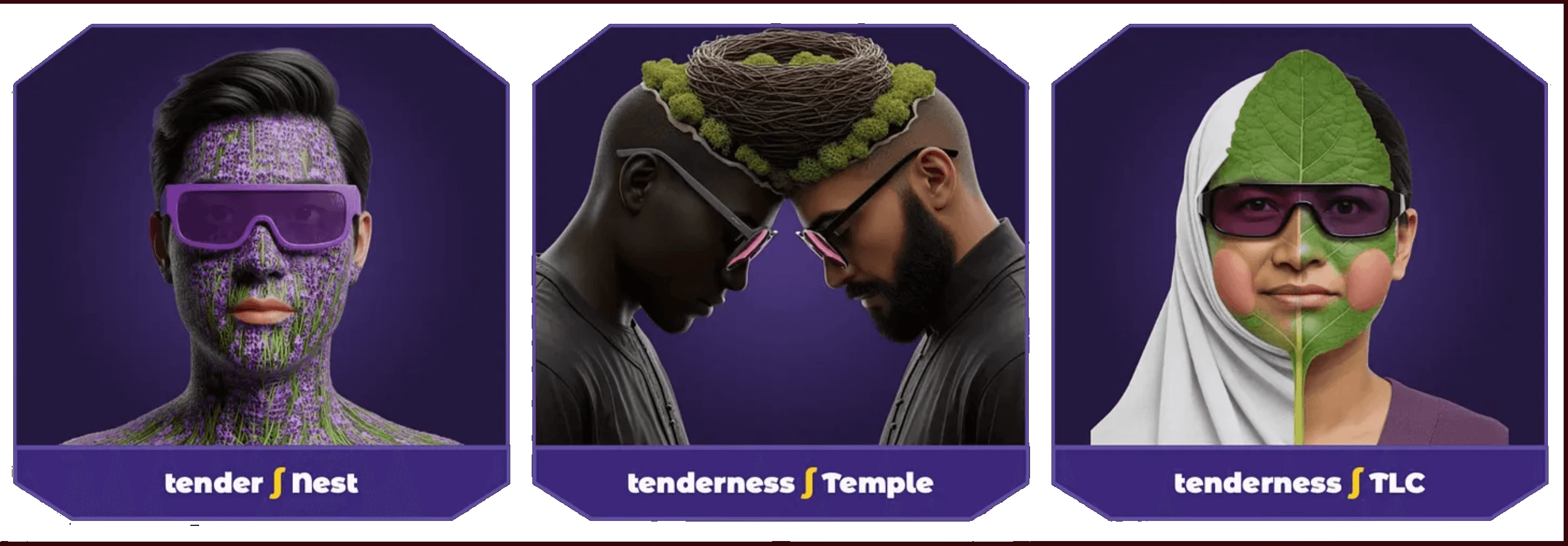
In 2025, after thirty years as words, the wellgorithms finally received their faces. I had the names long before AI, but finally, I could see them. And my biggest thrill is to see how different people create different faces for the same names.
Christian art has always given faces to virtues, vices, grief, mercy, angels, and demons. A face changes our relationship to our interiors. We can recognize it, meet its gaze, and begin to tend it.
2026 • a retrospective
A new alibi is taking hold: “No one knew that social media would fracture our attention, monetize our loneliness, and deform our relationships.”
Some of us knew.
In the 1990s, I warned about the porngeist, the use of data mining to exploit our emotional vulnerabilities, and the need for digital sabbaths.
But I did more than warn. I tried to make the new medium beautiful. Those early illuminated books won readers, prizes, and new publishing offers.
But as social media became ever more popular, I saw clouds of darkness looming. Big Mammon was invading our interiors. I took a lonelier path — warning about the invasion, and building the Garden platform from scratch.
Being ignored was one wound. Being told that nobody knew is another.
I’ve confessed in my songs that I have resentment weeds. I’ve plucked them, prayed over them, composted them. But my Garden also grows love flowers, laughter flowers, gratitude flowers. The weeds don’t define the man.
For years, the gap between what I could imagine and what one wounded gardener could build was too wide. I had the words but not the hands. AI closed that gap. Finally, I could build design, animation, and typographic features that the much larger platforms still do not offer in 2026.
The Garden has been blooming for years. But it is not finished. A garden is never finished. And this one surely will not be finished in our lifetimes.

Luke tells the story of Simeon, who departed in peace because his eyes had seen enough. Just a glimpse of the Divine was enough.
Through the Garden, I’ve had these glimpses. You need not agree that Big Mammon is the name of the enemy. You need not accept my account of modernity, psychology, or theology. But I hope this much has become clear:
the language of our interiors is a hotly contested space — perhaps the most contested.
AI is not neutral.
AI ranks, restricts, reinforces, and normalizes particular vocabularies.
AI makes some words for human life easy and others hard to imagine.
If the Garden has made this struggle visible — and shown why we urgently need a naming and cultivation commons — it has done its duty.
Now, Master, you release your servant in peace, according to your word, for my eyes have seen your salvation. — Luke 2:30
I am blessed with a loving wife, a beautiful church, friendship, fellowship. When my hour comes, let the record bear this witness: I died a grateful man, with love in my heart, having experienced — in this wounded life — the fullness of God.
We send you our blessings. May your seeds find good soil. May your faith work its quiet miracles. May a single word of yours put hope into a wounded heart. May you be given time to see sacred things bloom.
When your own hour comes, may you depart in peace. Until then, may you never forget: you are loved, and never alone in the tending.