

[COPY] Word Wars
A powerful set of forces is emerging — Big Mammon — claiming dominion over your soul. And it's growing stronger, one word at a time.

For three hundred years a Power has been sweeping through our world, renaming everything it touches. dna, the brain material reads
This Power has now invaded the last uncharted landscape: the human interior. Our dreams, loves, the yearnings of our hearts — it is reading them at a resolution finer than we can read ourselves.
The secret room the prophets said was inside — it has the keys. And it has hijacked the language we would have used to call for help.
The name of this Power is Big Mammon.
It is, first, a Word Power.
And without dominion over our words, we lose touch with the Divine.
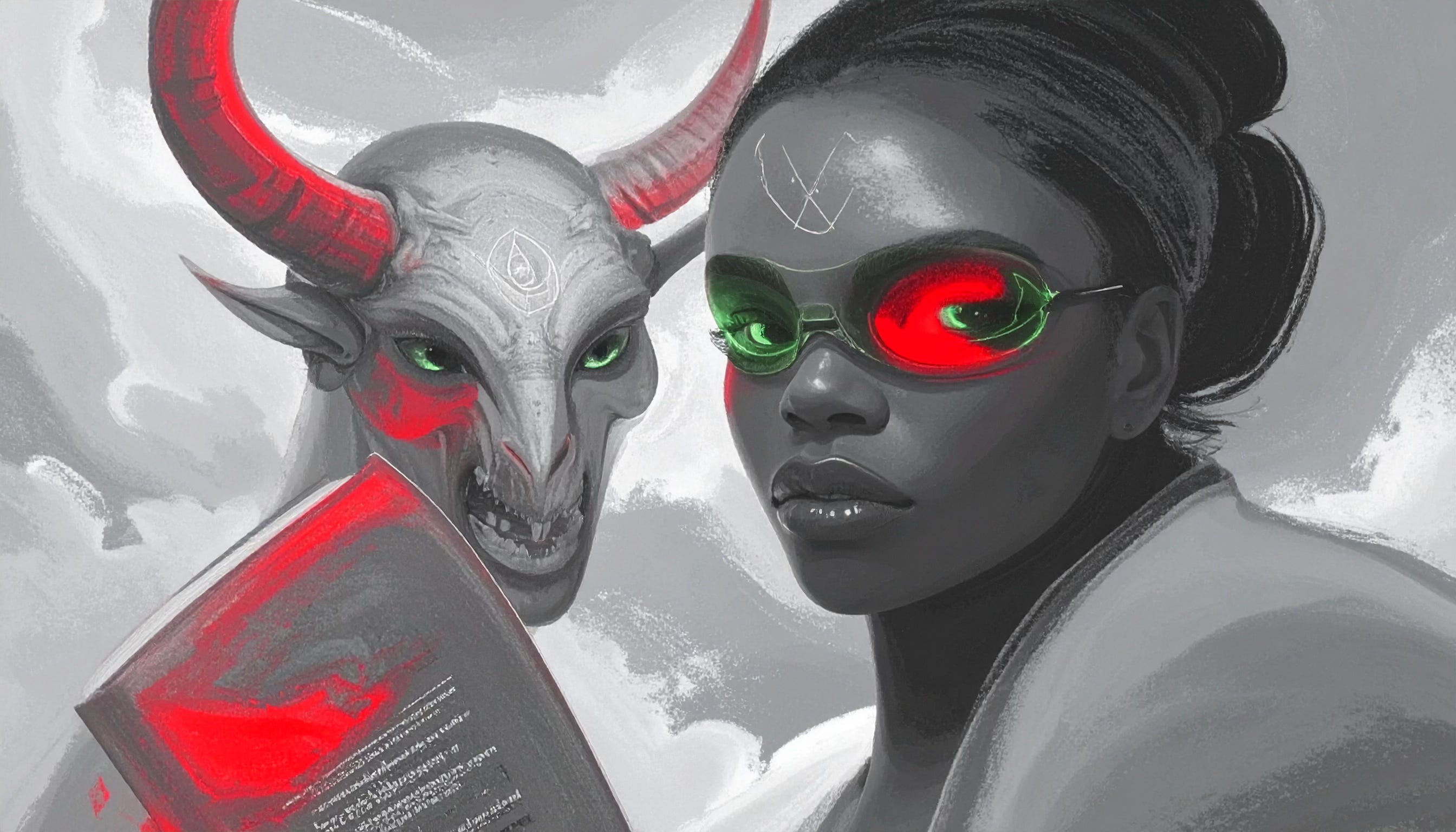
Big Mammon has its missionaries, and they promised that the Enlightenment would save us. It hasn’t.
They promised that the death of God would liberate us. It hasn’t.
They promised that therapy alone would heal us. It hasn’t.
They promised that democracy, progress, science, and reason would be enough. They aren’t.
Every frame the post-Christian West erected to replace the old story has crumbled. And none of them have the power to stand against Big Mammon. Because now, it has invaded our guts, our gadgets, our schools, our corporations, our government, our homes.
That “secret hiding place” of which the prophets spoke? Invaded.
That interior intimo meo of which Augustine spoke? Hacked.
Your grief is a “disorder.”
Your attention is a “resource.”
Your heartaches are “neurochemistry.”
This is the new language of occupation — the language of the machine, the patient, the brain, the user. A grammar so ordinary we don’t even know we are speaking the occupier’s tongue.
That is how complete the occupation is.
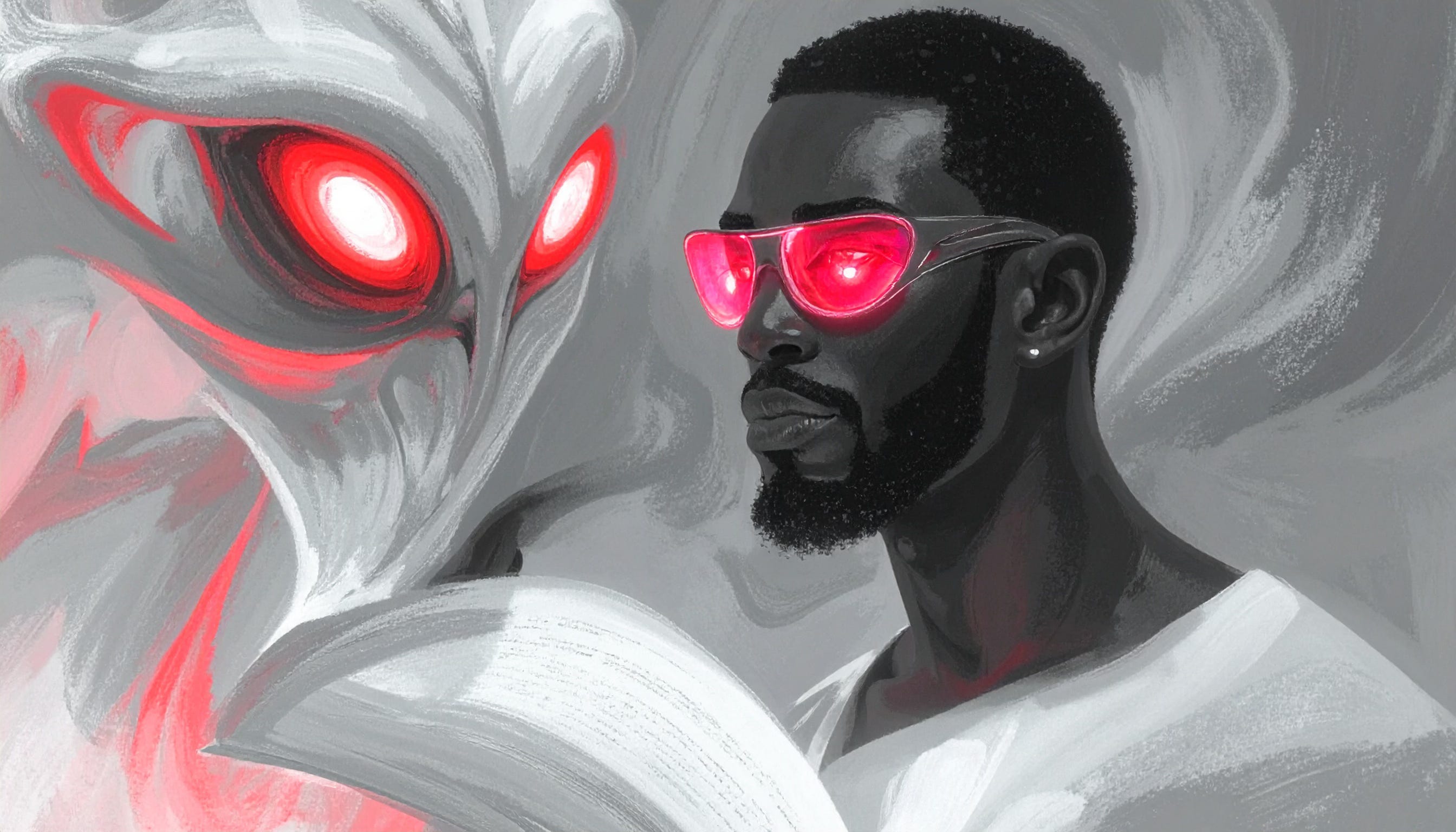
There were two Falls.
The first happened in a garden.
The serpent. The fruit. The shame. The rupture between the human person and θεός. The wound at the root of everything — a restless heart, unable to find the Divine in any of the things it reached for.
The tradition spent two thousand years exploring the consequences of the first Fall. Augustine mapped the restless heart. Aquinas mapped the disordered passiones. Wesley mapped the need for orthokardia — the right heart, restored by grace, transformed not merely reformed.
The tradition knew what was lost in the first Fall.
The tradition built the vocabulary for what the Spirit was restoring.
And then: the second fall — lowercase f. It happened in a factory.
It happened when the industrial age looked at the human being — the creature of love, the image-bearer nourished for thousands of years by the wisdom of the saints and the Desert Fathers and the mystics and the Pentecostal testimony — and said:
You are a machine.
Your body is an engine.
Your value is your output. Your rest is inefficiency. Your grief is lost productivity. Your longing for the living θεός is a distraction from the quota.
And then the clinic came. The clinic looked at what the factory had broken and said:
You are a patient.
Your grief is a disorder.
Your dark night of the soul — the holy darkness the tradition had honored for centuries as the terrain on which the Spirit does its most intimate work — is major depressive disorder.
Your grief — the grief of the Spirit pressing your soul toward θεός, which Aquinas called a gift and the Desert Fathers called the beginning of wisdom — is a symptom.
All requiring management. A code. A prescription.
And then the laboratory came. The laboratory looked at what the clinic had labelled and said:
You are a brain.
Your love is oxytocin.
Your awe is nothing but a prefrontal activation pattern. Your restless heart is nothing but a limbic system seeking homeostasis. The mystery your tradition called the soul — the ψυχή, the נפש, the breath of life breathed into Adam’s nostrils by the living θεός — is a firing pattern. We can see it on the scan. We can map it. We can medicate it. We can explain it in the language of neurochemistry.
And then the platform came. The platform looked at what the laboratory had reduced and said:
You are a user.
A prediction. A profile. A data point with a thumb.
Your grief is an engagement opportunity.
Your loneliness is a retention mechanism.
Your yearning for the living θεός — the ache that Augustine spent his Confessions describing, the hunger that the entire tradition understood as the imago Dei pressing toward its source — this we can monetize.
Machine.
Patient.
Brain.
User.
Four grammars. Four centuries.
Four successive waves of occupation.
Each building on what the last one left behind. Each claiming more territory. Each pressing deeper into the interior until there was no room left that the tradition’s vocabulary still occupied, no room left where the language of the Spirit still named what the Spirit had always named.
And the gall — the absolute gall of these powers and principalities — is that they claim to be our liberators. In the name of science, the name of progress — WE ARE YOUR LIBERATORS!
And you are a machine, a patient, a brain, a user. Your inner self — what Paul called ἔσω ἄνθρωπος, the inner man, is now occupied without consent, without announcement, without mercy.
This is the second fall.
It leaves no space for telos. No space for Logos. No space for the Holy of Holies.
Your soul is not even a soul anymore. You’re not allowed to call it that, not if you want to be taken seriously. It’s just a psyche now, or a brain, a soup of neurons and dendrites firing without an ultimate concern.
A vast army of hidden actors — who do not love you — claim to have the keys to your inner kingdom. They’re reading you in higher resolution than you can read yourself. And you can’t defend yourself because you can’t name your feelings outside of Big Mammon’s grammars.
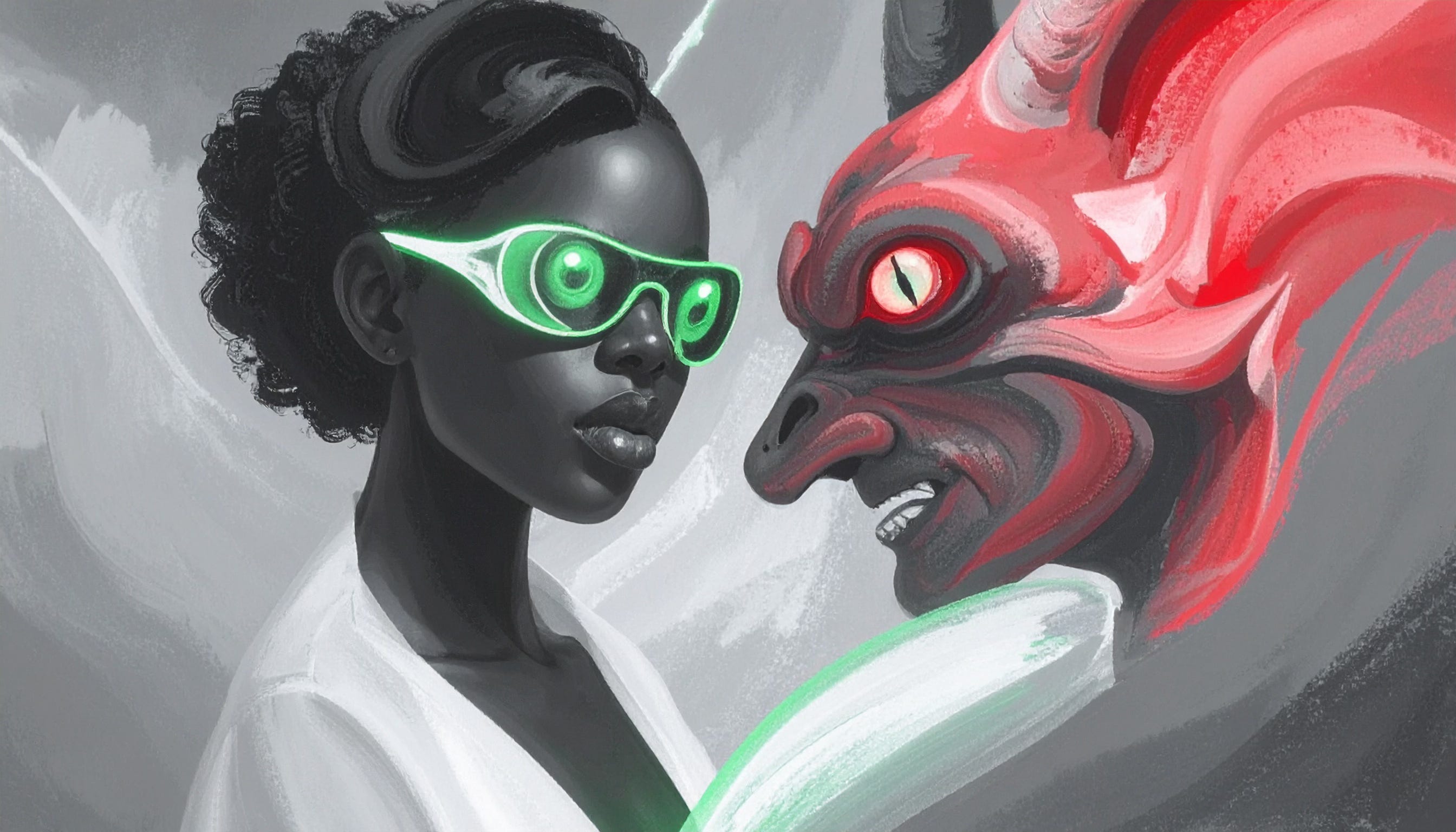
Whoever can manipulate your words can manipulate your interior.
Whoever creates the grammar creates the self.
You are expected — pressured, forced — to construct your emotional reality in the language of disorder codes and neurochemical optimization. Eat or be eaten is now name or be named.
And then the coup de grâce:
You can’t bomb an algorithm.
You can’t impeach a grammar.
Your doctors mean well. Your therapists mean well. But they’re operating inside a grammar, an invisible system of words and assumptions about what a human is. And if they want to get paid, they have to bill in the language of Big Mammon.
So your suffering becomes a code. Your grief becomes a disorder. Never a holy darkness, or a dark night of the soul — because their forms have no box for the soul.
And now, with so many turning to AI for therapy, the language of codes, disorders and syndromes is embedding itself ever more deeply into our psyches. The invasion of our interiors is complete. Big Mammon is waving its victory flag.
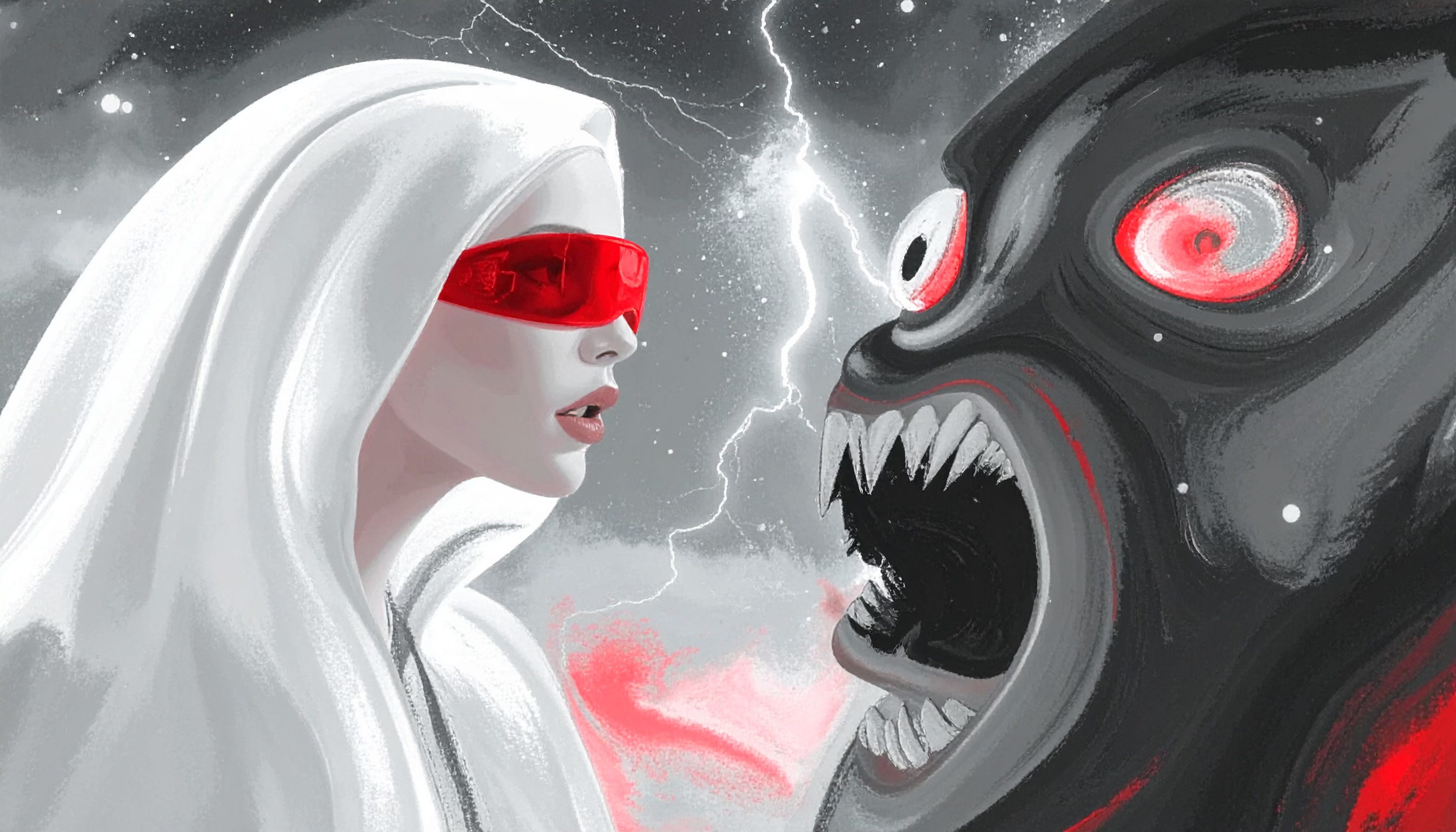
A long time ago, King Solomon warned:
“He that increases knowledge increases sorrow.”
We have more knowledge about mental health than any civilization in history — more tools, more therapists, more medications, more apps, more data — and worse outcomes on many measures.
Four grammars promised salvation. Four grammars have presided over a worsening mental health crisis. We’ve been there, friends. We know.
But the darker the dark, the lighter the light.
The stone has rolled, and we’re crawling out of the grave now — the grave of pessimism, cynicism, despair.
The Spirit who breathed life into Adam’s nostrils is still breathing, still calling us to name the creatures — the creatures inside.
We’re recovering a fifth grammar — the grammar of the Garden.
You’re not a user. You’re a gardener.
You’re not a patient. You’re a pilgrim.
You’re not a machine. You’re a cultivator.
You’re not a brain. You’re an image-bearer — a gorgeous, mysterious landscape, full of awe and wonder.

We’re marching up the Hill of Big Mammon — and retaking the occupied interior.
We’re taking every thought captive. Every outsourced thought, every occupied emotion, every word the merchants planted — we’re taking them back.
But we don’t fight the way empires fight. Big Mammon traffics in fear, in noise, in the anxious scroll. We answer with beauty. We answer with kindness.
In the spirit of Justin Martyr, the Desert Fathers, and those who conquered Rome, we answer with love. We answer in the spirit of a people who love the stranger so much that everyone is welcome. Everyone is beloved.
We answer with φιλοξενία — love of the stranger. Love of the other in their otherness. For they will know we are Christians by our love, by our love.
We are gift-givers. We are the people who built the universities. Built the hospitals. Built the cathedrals. Commissioned the illuminated manuscripts. Developed musical notation. Inspired many of the ideals the world takes for granted — human rights, equality, dignity, the very idea of consent. All grew in soil our tradition tilled. The modern West is a house built largely by the Judeo-Christian revolution.
And now we’re building a Garden. A sacred space — not of optimization, efficiency, and endless distraction — but of cultivation. Of soul-tending.
The air we once breathed — the air in which your dark nights are holy ground — that air is available again.
And so we declare our independence. We declare that our hearts, our souls, our minds do not belong to Big Mammon.
SOLA MENS MEA: the song
Grace and peace to you, beloved brothers and sisters.
You are the gardeners of peace.
The tillers of hope.
It’s never too late to love.
It’s never too late to be kind.
It’s never too late to bloom.
We are learning a new grammar.
We are naming, cultivating and blooming — one word at a time.
Συγχάρητέ μοι.
Come rejoice with me.
